Build a troubleshooting video around a failure
Explain a reproducible failure, compare possible causes and show one controlled change. Includes a low-risk ribbon example and an unresolved-result branch.
 EasyLines team7 min read
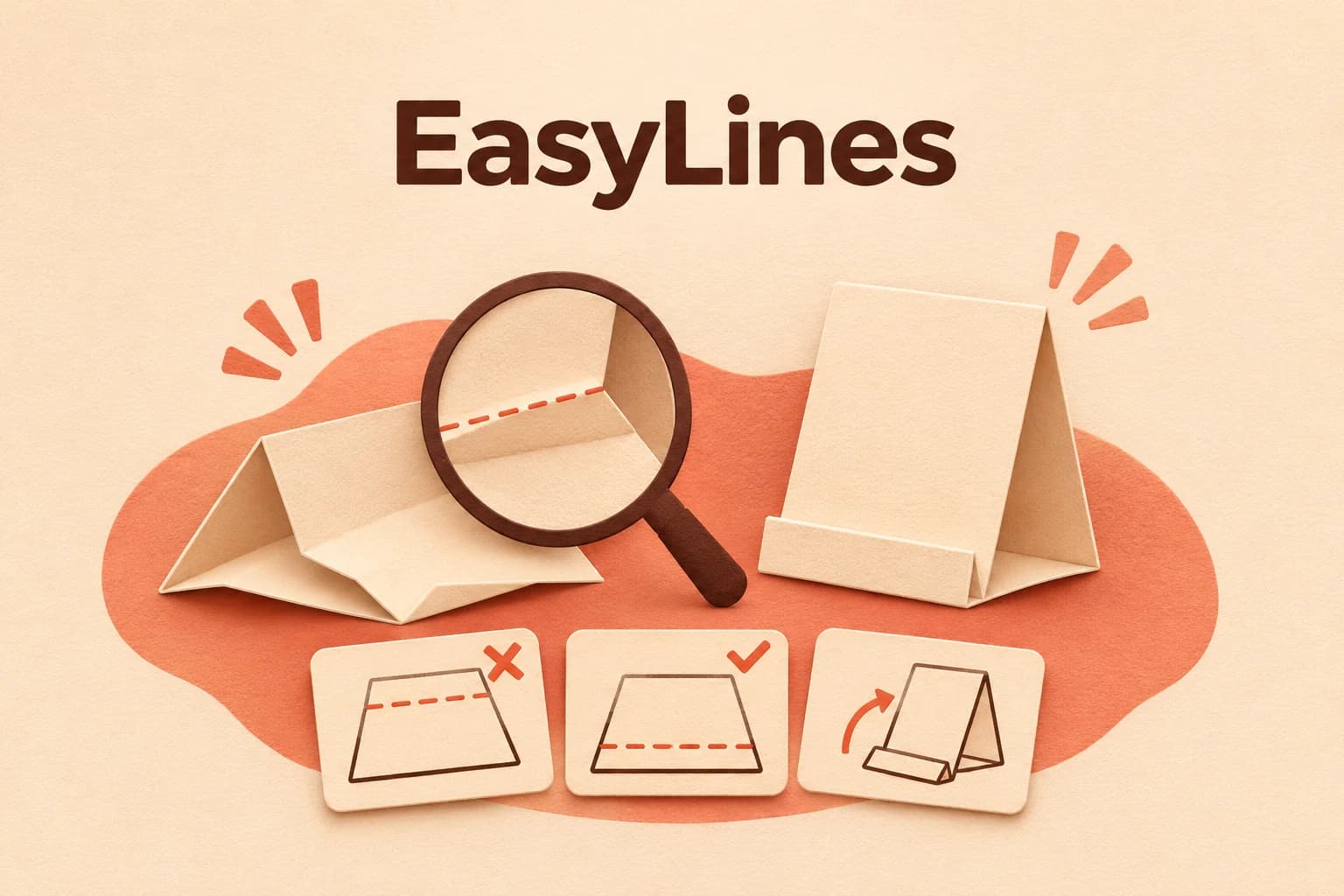
AI-generated editorial illustration.
On this page 8 sections
- 1. What failed, and what did you expect?
- 2. How do you establish a reproducible start?
- 3. What would distinguish the possible causes?
- 4. What should the failed baseline show?
- 5. How do you test the suspected obstruction?
- 6. How do you explain the evidence and uncertainty?
- 7. What should a learner take from this diagnosis?
- 8. Frequently asked questions
Build a troubleshooting explainer around a specific failed state, a reproducible start and a comparison between possible causes. Show what changes after one intervention, then state what remains uncertain. A successful demonstration alone teaches an action; a diagnostic explanation also shows why you chose that intervention. Use an ordinary resettable example so the failure can be examined without risking important work or forcing a dramatic result.
What failed, and what did you expect?
Replace “It does not work” with an observation and an expected result. In a ribbon-and-spool practice example, the expectation is that loose ribbon moves gently through the central opening. The observed symptom might be that it moves initially, then stops when a particular section reaches the entrance. “The spool is defective” is a hypothesis about cause, not a description of that visible symptom. Keep those sentences separate in your notes.
Cisco’s troubleshooting overview separates symptoms and possible causes, recommends changing one variable at a time and collecting results after the change. Its context is network troubleshooting. This article adapts those reasoning principles to explaining a harmless physical example; it does not teach network operations or claim that Cisco tested the exercise. The diagnostic structure should remain understandable even when the proposed repair does not work.
How do you establish a reproducible start?
For this hypothetical filming exercise, choose a smooth empty craft spool and soft ribbon. Use no needle, powered equipment or loaded mechanism. In rehearsal, choose an opening that lets the ribbon itself pass gently but stops a loose bulky knot. If your materials do not produce that contrast, they do not meet this example’s starting conditions. Do not pull harder or claim the failure happened merely because the script expects it.
Thread one end through the opening, leaving the loose knot on the incoming side. Arrange enough straight ribbon before the knot for the first movement to be visible. Identify the same spool, ribbon and entrance in every comparison. The constructed fault is deliberate: tell viewers that you tied the knot to make a diagnostic example. You are explaining a failure mechanism, not reporting an accidental problem with a purchased product.
What would distinguish the possible causes?
Write at least two plausible explanations for the visible stop before choosing a repair. One is that the approaching ribbon is twisted or entering awkwardly. Another is that the bulky knot cannot pass the opening. The first predicts that straightening the approach could change the symptom while the knot stays present. The second predicts that the ribbon will still stop when the knot reaches the opening, even with a straight approach.
Keep each proposed check gentle and reversible. Straighten only the free approach first; do not simultaneously remove the knot, replace the spool and change the pull direction. If the symptom disappears after all those changes, the final result would not tell viewers which change mattered. The exercise is not a demand to eliminate every conceivable cause. Choose a small comparison that can genuinely distinguish the explanations you have named.
What should the failed baseline show?
Film from a view that reveals the ribbon approaching the entrance, the first movement and the point where it stops. Keep fingers away from that relationship. Show the starting knot before the action so the audience can identify it later. The baseline needs a complete event, not an extreme close-up of an already stopped ribbon followed by a confident diagnosis. A separate detail can help after the full arrangement is established.
Then repeat from the same starting position with the approach straightened and the knot still present. Record what actually happens. In the hypothetical teaching sequence, the ribbon still stops as the knot reaches the opening. That would weaken the approach-only explanation for this instance. If your real ribbon moves through, the comparison has given a different result; say so and revisit the example rather than editing the successful movement into an apparent stop.
How do you test the suspected obstruction?
Untie the loose knot while leaving the same ribbon, spool and approach arrangement in place. Reset to the documented start and repeat the gentle movement. Check the task itself: does the formerly obstructed section now pass through? A later image of ribbon on the other side does not show whether it passed through this opening or was placed there. Preserve the action that connects intervention and observed result.
When practical, retie a similarly loose bulky knot and repeat the original condition to check whether the symptom returns. Describe the knot’s size and position honestly; a different knot is not a perfectly identical specimen. Reversal can strengthen the explanation of this constructed example, but it does not establish that every ribbon problem has this cause. If the symptom does not return, record that limitation and inspect what else changed.
Hypothetical diagnostic log, not performed test results: Baseline: knot present; ribbon moves, then stops at entrance. Approach check: ribbon straightened; knot remains; same stop. Obstruction check: knot removed; same ribbon section passes. Reversal: loose bulky knot restored; check whether stop returns. Conclusion: fill from actual footage; retain any inconsistent result.
How do you explain the evidence and uncertainty?
A conditional narration might say: “The ribbon stopped when this knot reached the opening. Straightening the approach did not change that stop. After removing the knot, this section passed. In this example, the knot accounts for the obstruction we showed.” Use that wording only when your saved comparisons support each sentence. Keep the evidence-to-conclusion steps audible instead of cutting from a failure directly to “fixed.”
Prepare an alternative ending before filming: “Removing the knot did not resolve the stop, so this comparison has not established the cause.” That is a useful diagnostic outcome, not a failed performance. Identify the next limited observation or stop the example if the materials behave unpredictably. Use the physical-demonstration narration guide to decide whether to explain live or record the checked inference afterward. Your words should follow the observed sequence.
What should a learner take from this diagnosis?
Review whether a viewer can identify the start, symptom, competing explanations, changed variable and actual result. This differs from simply showing someone how to thread ribbon successfully. If you want a learner to apply the reasoning to a new example, use the one-task lesson guide to add that separate exercise and feedback. Do not imply that repeating your exact fix demonstrates diagnosis of an unfamiliar problem.
Leave the editor the valid baseline, each comparison, reset notes and conclusion limits. Mark any constructed fault and retain inconclusive attempts in the evidence record, even when the final lesson uses only the clearest complete sequence. EasyLines is preparing to launch as a teleprompter and recorder; join the waitlist for launch updates if prepared explanations suit your delivery. The diagnosis comes from the comparisons you actually perform and review, with no automatic troubleshooting or causal analysis assumed.
Frequently asked questions
How is this different from a normal tutorial?
A normal tutorial can show the successful action. A troubleshooting explanation also compares possible causes of a specific failure and shows why the chosen change is relevant.
Can I deliberately create the failure?
Yes, with a harmless resettable example and an explicit explanation that the fault is constructed. Do not present it as an accidental product failure.
What if the failed state will not repeat?
Record the limitation and inspect the starting conditions. Do not stage a different event while claiming you reproduced the original symptom.
Must I show every attempt?
Preserve the full evidence record and enough comparable footage to support the explanation. Do not omit valid contradictory results to manufacture certainty.
Does a successful repair prove the cause?
One changed result supports a narrower inference under the conditions shown. Check competing explanations and retain uncertainty when several things changed or the result is inconsistent.
Sources and further checks
Coming to iPhone and iPad
Put your next script on EasyLines.
A little help with the words. More room to be yourself. Join the waitlist and we’ll email you at launch.