Record an honest unboxing and first-use video
Show what arrived, what you tried and what remains unknown. Plan useful first-use footage without scripting reactions or inventing long-term experience.
 EasyLines team7 min read
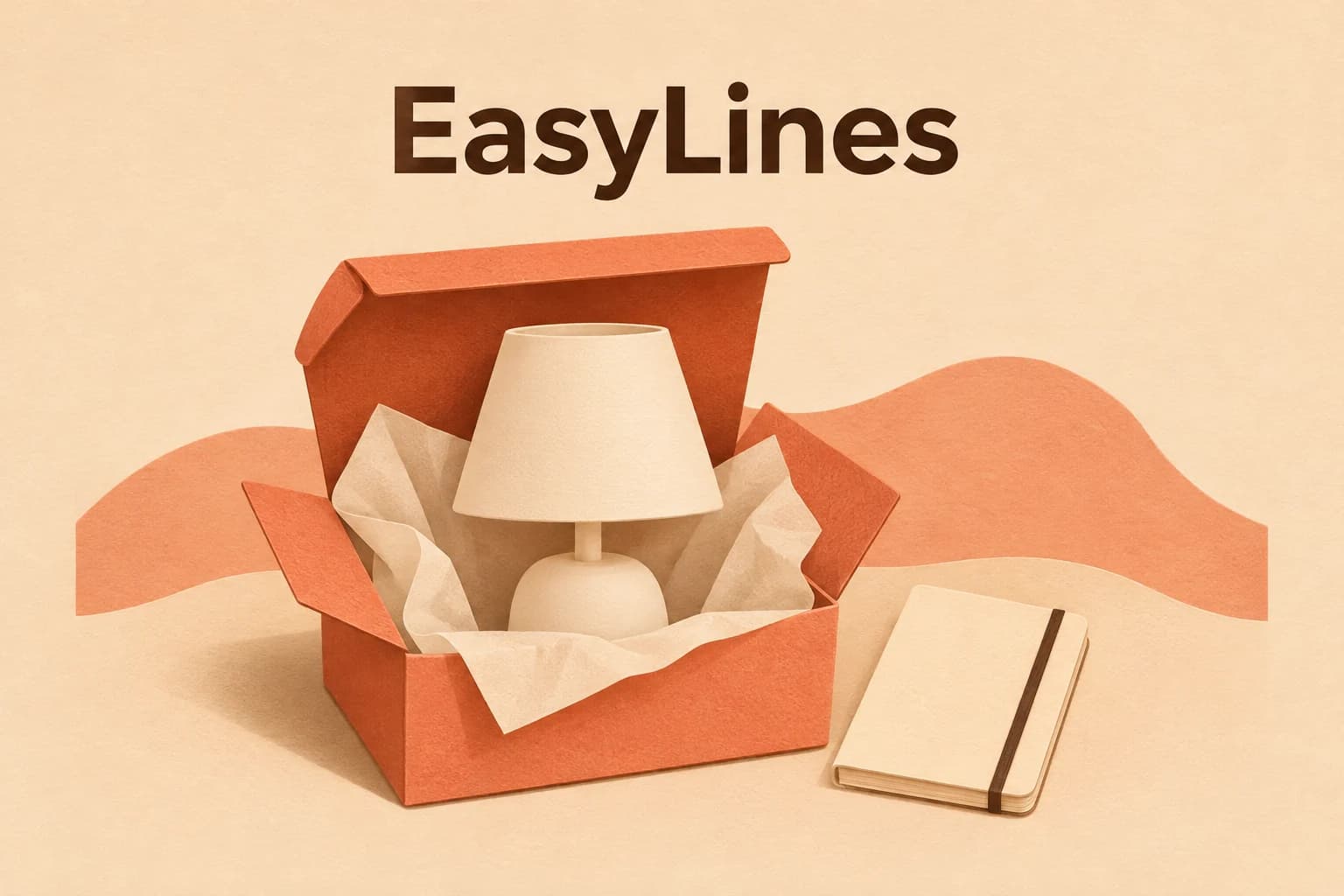
AI-generated editorial illustration.
On this page 8 sections
- 1. When does this first-use account begin?
- 2. How do you prepare without scripting a reaction?
- 3. What actually came in this package?
- 4. What should the first-use task show?
- 5. How do observations differ from opinions and specifications?
- 6. What if you missed the first opening?
- 7. What can you conclude after one session?
- 8. Frequently asked questions
Record an honest unboxing by distinguishing what arrived, what you can inspect, what you try in this session and what you still do not know. A first-use video can be useful without pretending to be a long-term review. Give viewers a clear look at the contents and one ordinary action, then keep your conclusion inside that evidence. Prepare the coverage and context; leave your actual reaction unscripted.
When does this first-use account begin?
Choose an accurate frame for the recording. “I am opening this set for the first time” is appropriate only if that is what is happening. If you already checked the contents, say that you are showing what arrived or demonstrating a first try. A repeated opening can still explain the package, but it should not imply a spontaneous discovery that happened earlier. Keep the original event and the presentation of it distinguishable.
Write down the facts of your own involvement before scripting. When did the item arrive? Have you opened it, assembled it or used it off camera? What have you actually tried? Unknown dates can stay unknown if they are irrelevant. Do not borrow a sample line about months of ownership or daily use. Those words describe a history, and a filming brief cannot supply a history you have not lived.
How do you prepare without scripting a reaction?
Make room for the closed package, unpacked contents and first-use area. Support the camera securely and rehearse the empty-handed movement so you know where objects remain visible. You can test framing with another ordinary object before the opening. Keep delivery labels and unrelated personal details outside the recorded area. This preparation helps you capture an actual event without requiring you to predict what the package contains.
Creator-platform guidance from #paid recommends a hands-free setup, clear coverage of packaging and product, and clear speech. Use those practical suggestions within your situation. Its promotional enthusiasm is not an instruction to perform affection or excitement you do not feel. Leave room for a neutral observation, a question or an unexpected missing piece instead of writing every reaction in advance.
What actually came in this package?
As each item comes out, identify what you can see before stating what the set is supposed to include. Put the actual contents in view together. If you have a current maker-supplied contents list, compare it separately and attribute it accurately. A missing item in your package does not automatically establish that every package lacks it; an extra item in a sample does not prove it is included for every buyer.
Use four headings in your notes: observed, tried, supplied information and unanswered. “Two pieces in this package” belongs under observed. “The maker describes this material as…” belongs under supplied information until verified appropriately. “How will the handle wear?” belongs under unanswered. The video-script fact-checking guide can help check supplied specifications. These notes preserve what each sentence rests on without turning the video into a reading of the packaging.
What should the first-use task show?
Imagine a hypothetical plain desk brush and dustpan set. The proposed first try is sweeping a few clean dry yarn snippets from a clear tabletop into the pan. This is an invented production example, not a test performed for this article or a claim about a real cleaning product. Use ordinary practice materials appropriate to your own item and follow its actual instructions. The purpose is to show the initial action clearly.
Establish the starting snippets, demonstrate the sweep and reveal both the pan and the tabletop afterward. If some snippets remain, keep them in the account. A close view of collected material alone leaves the uncollected part unknown. If your actual item cannot complete the proposed task, describe that observation and reconsider the task or setup; do not replace the result with a prewritten “works perfectly.” The first session can end with an unresolved question.
How do observations differ from opinions and specifications?
An observation could say, “These snippets entered the pan on this attempt.” A subjective impression could say, “The handle feels comfortable to me during this short try.” A supplied specification could say, “The maker lists the handle length as…” if you have checked the current reference. None of those statements establishes sustained performance, material suitability for another task or how another person will feel after prolonged use.
Google’s review guidance asks for evidence of the reviewer’s own experience. That supports retaining the basis and limits of your account, rather than borrowing somebody else’s experience. A useful first-impression conclusion can name a question for later observation without promising a follow-up you have not arranged. Avoid “I can already tell it will last” when the footage only shows a new item being handled briefly.
Hypothetical first-use summary, usable only if your footage supports it: “This is the set from this package. I tried it with these dry yarn snippets on this desk. Here is what reached the pan, and here is what remained. This was a short first try; I have not assessed wear over time.” Keep camera directions and the evidence record outside the spoken copy.
What if you missed the first opening?
Suppose the initial reveal happened outside the frame. You can show the unpacked contents in a later clear view and explain that you already opened the package. You can also repeat a product action while identifying it as another attempt when that distinction affects the account. Repacking the item and performing surprise does not recover the original event. It creates a staged repeat, which needs an honest presentation.
Use the pickup workflow for a clear replacement explanation or complete repeated action. Keep a note of which footage is the original opening, a later contents view or another use attempt. Do not intercut them to imply an uninterrupted success if the first attempt failed. A straightforward line such as “Here is a closer look after opening” usually gives the later view a useful job without misrepresenting its timing.
What can you conclude after one session?
Review the whole sequence and ask what a new viewer can identify: actual contents, visible condition, the action tried and the result shown. Etsy’s product-photo guide separates packaging images from detail images; they answer different questions. Apply that distinction when deciding whether your unboxing contains enough product information, rather than letting attractive wrapping occupy the whole account. A short statement of remaining uncertainty can complete the first-use boundary.
Save the exact summary, session notes and relevant take identifiers together. Revisit a reused line if the package contents or product version changes. EasyLines is preparing to launch as a teleprompter and recorder; join the waitlist for launch updates if prepared context and summary lines suit your workflow. Your first reaction comes from the real event, and your conclusion comes from the evidence you actually captured.
For the wider recording plan, use the product video shot-list guide to place this decision inside a complete, useful video.
Frequently asked questions
Can I script an unboxing?
Prepare context, coverage and questions. Keep claims accurate and let your actual reaction come from the opening.
What if I opened the package before filming?
Describe a contents walkthrough or a later look accurately. Do not present a repacked opening as your spontaneous first discovery.
Can a first-use video include a negative result?
Yes. Show the task and its result, including what remained unresolved. Do not substitute a planned success sentence.
Should I read specifications from the box?
Include relevant verified information and identify its source. A printed claim is different from something you personally demonstrated.
When can I discuss long-term wear?
Only when you have suitable actual experience and evidence. A short first session does not establish it.
Sources and further checks
Coming to iPhone and iPad
Put your next script on EasyLines.
A little help with the words. More room to be yourself. Join the waitlist and we’ll email you at launch.